
Jools Law: 1 Ruling That Could Transform Rights for Bereaved Families
Jools’ Law: a mother’s fight to see her son’s digital life could change everything for bereaved families
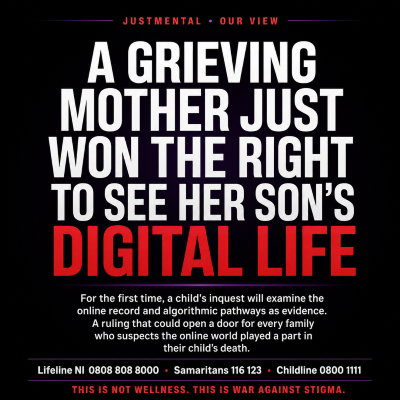
A ruling at the High Court this week could matter to every parent who has ever suspected the online world played a part in their child’s death, and it sits at the heart of the campaign known as Jools’ Law.
The court has quashed the original inquest into the death of 14-year-old Jools Sweeney, from Cheltenham, who died in April 2022, and ordered that a fresh inquest be held. His mother, Ellen Roome, brought the legal challenge. She believes the online world may have played a part in her son’s death, and has fought to have his social media and device data properly examined, something the original inquest, which lasted just 23 minutes and heard no live evidence, never did.
It is understood to be the first time in England and Wales that a child’s inquest has been reopened specifically to allow that digital life to be examined. Two senior judges, Lord Justice Warby and Mrs Justice Heather Williams, granted the application. Notably, neither the coroner nor the social media platform involved opposed it.
We want to be careful and clear about what this ruling is, and what it is not. It is not a finding about how Jools died. That question is precisely what the new inquest exists to explore, wherever the evidence leads. What the ruling establishes is something narrower but genuinely important: the principle that a child’s digital life is legitimate evidence, and that a grieving family has the right to have it examined.
Jools Law: what the ruling means beyond one family
For years, bereaved parents have described hitting a wall: the data that might hold answers sits with the platforms, and families have had no clear route to it. The Online Safety Act 2023, which did not exist when Jools’ first inquest was held, now allows Ofcom to request information from social media firms, including what a child viewed or uploaded. Ms Roome has said she also intends to use the Data (Use and Access) Act 2025 to seek her son’s content through the coroner. Together, these are the tools the campaign around Jools’ Law is trying to turn into a reliable right rather than a hard-fought exception.
She did not stand alone at court. She was joined by other bereaved parents, including one father whose daughter took her own life, who he believes was affected by cyber-bullying. Their shared point is a simple one: the companies hold the technology and the resources, and so, they argue, the responsibility to help establish the truth, and to prevent these deaths in the first place.
Ms Roome put it plainly outside court: every bereaved family deserves to know that every possible avenue, including a child’s digital life, has been properly investigated. She framed the ruling as a possible turning point, not only in finding the truth about her own son, but in making the online world safer for every child.
This case is in England, but the principle travels. Families in Northern Ireland who have lost a child and wondered what their online life might reveal face the same wall. Coronial law here is separate, and none of this is automatic, but a precedent that treats a child’s digital life as evidence worth examining is one every jurisdiction will now have to reckon with. It also connects directly to the argument we made this week on the proposed social media curfew: protecting children online cannot rest on switches and settings alone. It needs accountability with real force behind it.
We hold our usual line. This is a step worth marking, but not an unqualified victory. A reopened inquest is the chance to ask the right questions, not yet the answers. And the deeper goal the families named is the one that matters most: that one day no parent has to fight through the courts simply to understand why their child is gone.
If you are struggling, you are not alone. Lifeline NI 0808 808 8000 · Samaritans 116 123 · Childline 0800 1111.