
Meta Child Safety Settlement: $17 Billion Changes Big Tech
Meta child safety settlement: $17 billion, and the design changes it forces
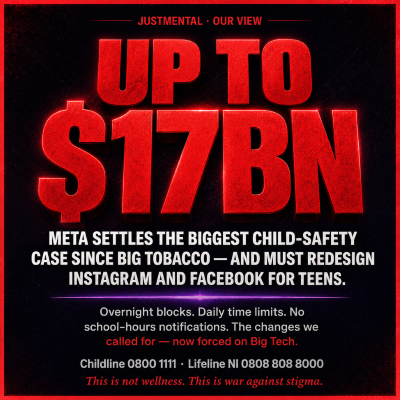
The Meta child safety settlement announced this week is the biggest of its kind in history, and, unusually for these stories, the money may be the least important part of it. On Wednesday 26 August 2026, Meta agreed to a proposed settlement of up to $17 billion to resolve the landmark lawsuit brought by a coalition of US states, ending the federal trial in Oakland that had only opened eight days earlier. It is described as the largest state consumer protection settlement in history outside the Big Tobacco agreements of the 1990s.
We covered the opening of that trial just days ago. Now it is over, not with a jury verdict, but with Meta agreeing to pay, and, crucially, to change. It is important to be precise: this is a settlement, subject to court approval, not a court-imposed fine. Meta will pay a minimum of around $12 billion, rising to as much as $17 billion over ten years if other social media companies settle related claims. California alone stands to receive up to $2.1 billion.
What the Meta child safety settlement actually changes
Here is why this matters more than the headline figure. As part of the Meta child safety settlement, the company has agreed to a sweeping set of design changes to Instagram and Facebook, the kind of changes campaigners, ourselves included, have been calling for. According to the California Attorney General, they include default daily time limits, a block on overnight use that can only be lifted by a parent, an end to notifications during school hours, stronger parental supervision tools, robust age checks to detect under-18s and under-13s, and an independent auditor to police compliance. Meta has said it will make these changes within months, not years.
Read that list again, because it is remarkable. An overnight block. Daily time limits. No notifications during the school day. These are, almost point for point, the protections we argued for when the UK floated a social media curfew earlier this summer, the ones we said had to be more than a setting a teenager could switch off. Here, they are being written into a binding agreement, with an auditor to enforce them.
Why the Meta child safety settlement matters for Northern Ireland
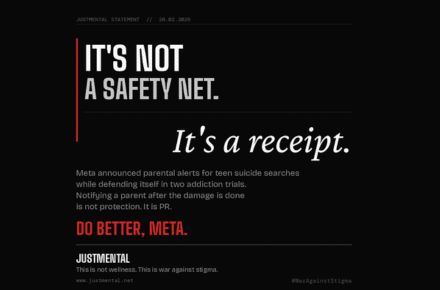
No US settlement changes the law here. But its gravity travels. For years, the argument that social media platforms were designed to hook children, to the detriment of their mental health, was dismissed by the companies as unproven. This week one of the largest companies on earth agreed to pay up to $17 billion and rebuild its products rather than keep fighting that argument in open court. That is not an admission of liability, Meta has been careful to say so, but it is an extraordinary signal.
For families in Northern Ireland, where a child’s inquest was recently reopened to examine social media data for the first time, and where our own online-safety protections are still taking shape, the direction of travel now looks clear. The era in which platforms could design for compulsion and disclaim the consequences is ending. The question for our own regulators and politicians is whether they will ride that momentum or wait for someone else to force the issue.
Progress, with a clear eye
We welcome this, genuinely. But we hold our usual line. Up to $17 billion sounds vast, and it is, yet it is spread over ten years, and the top figure depends on other firms also settling; the guaranteed sum is closer to $12 billion, against a company that generates tens of billions in profit every year. Money alone was never going to be the measure. The real test is the redesign: whether these changes are implemented in full, enforced by that independent auditor, and whether children’s mental health measurably improves as a result. Promises on paper are not the same as safety in practice.
Meta built the platforms. This week, it agreed to rebuild parts of them for children’s safety. Our job, here, and everywhere the same fight is being had, is to make sure that agreement becomes real, and that the duty of care owed to young people finally carries the same weight as the profit made from them.
If you or a young person you know is struggling, you’re not alone. Childline 0800 1111 · Lifeline NI 0808 808 8000 · Samaritans 116 123 · Text SHOUT to 85258.